SUSTAINABLE ADVENTURE TOURISM
As an organisation, we are committed to preserving the natural environment
Sustainable adventure tourism in Wales
We want people to come and enjoy the wonderful natural and cultural offerings of Pembrokeshire with minimal damage to the environment, local heritage and way of life.
Sustainable adventure tourism can be defined as ‘tourism that takes full account of its current, and future, economic, social and environmental impacts, whilst addressing the needs of visitors, the industry, the environment and host communities’.
Preseli Venture has developed a model of sustainable adventure tourism over the past 30 years that is the ideal model to operate in a protected National Park area, where many coastal locations are designated as special areas for wildlife and conservation of sensitive habitats. Also by the very nature of the geography of the coastline, away from the main towns, Pembrokeshire is blessed with tiny coves and harbour communities, perfect for the adventures, but which offer little space for parking vehicles.
Preseli Venture acts with sustainability at the heart of its business operations; the utilisation of insulating building structure, harnessing of solar energy, day to day running of the eco lodge accommodation, the provision of adventure activities with minibus transport, our culture of promoting travel by public transport, our support of local communities, way of life, and community resilience which includes local employment for local people.

Partnership with the National Trust
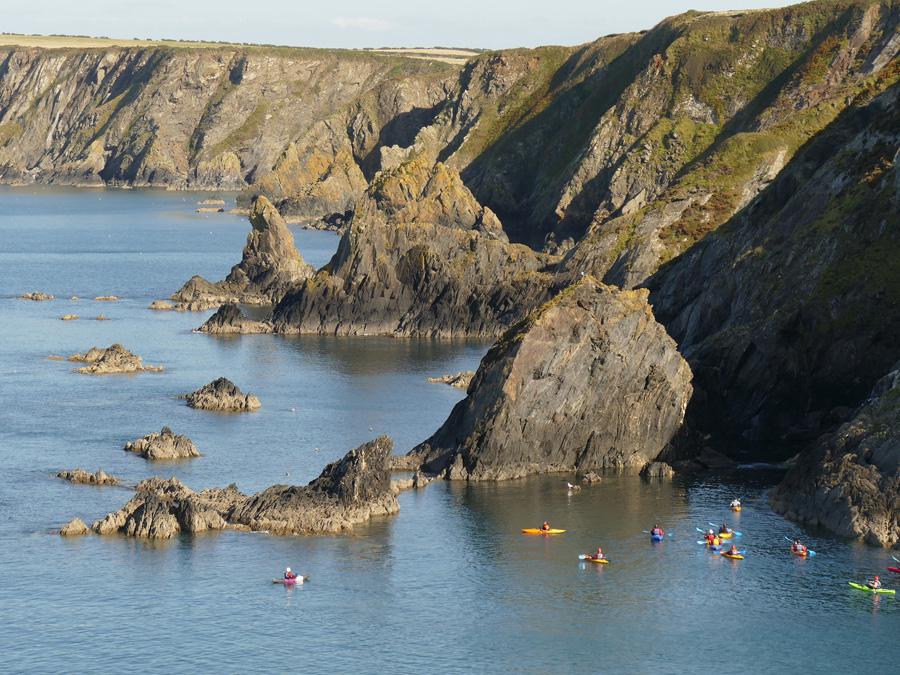
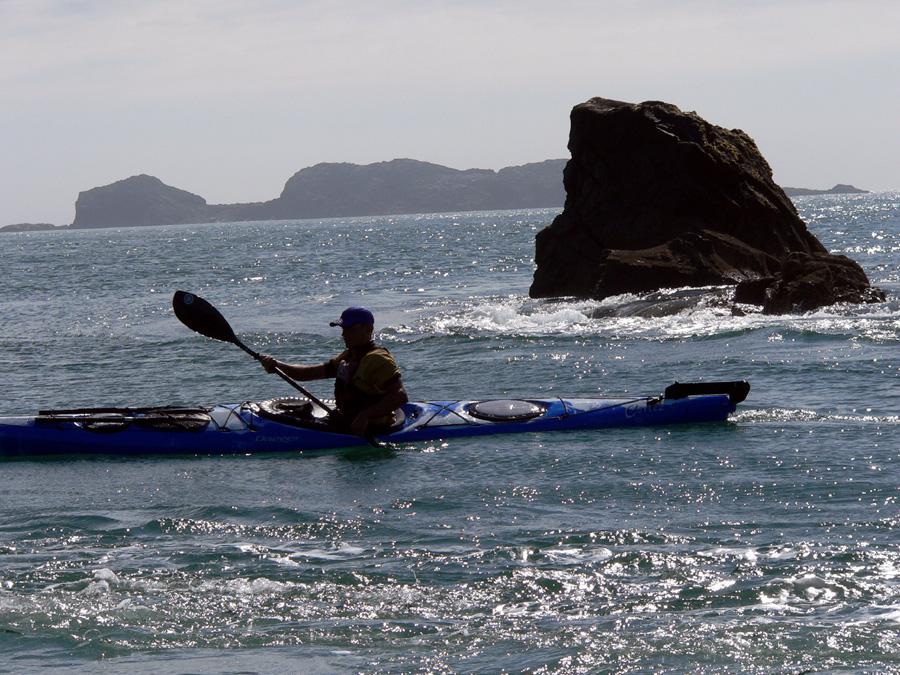
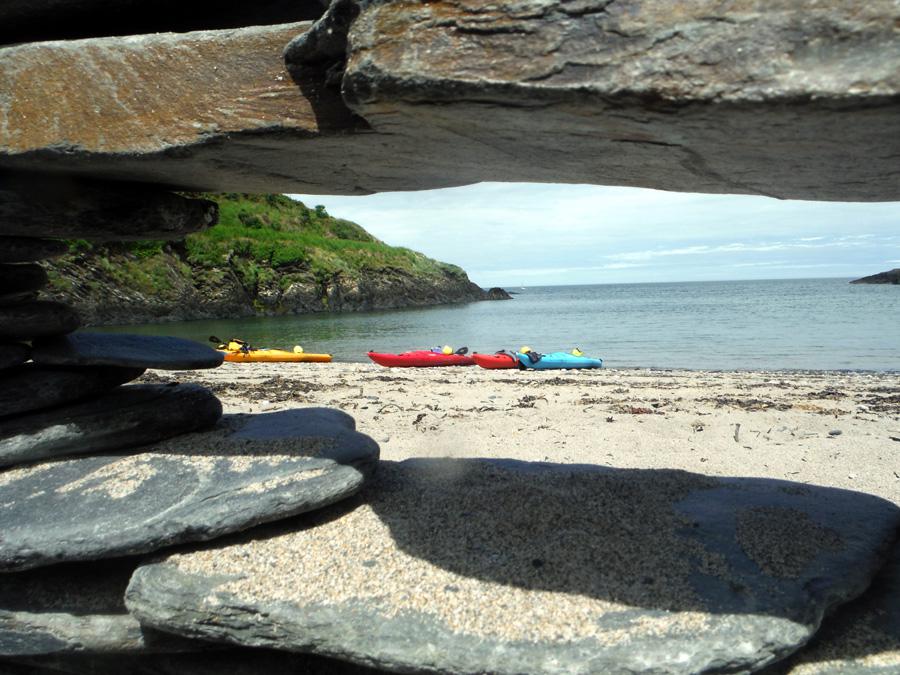
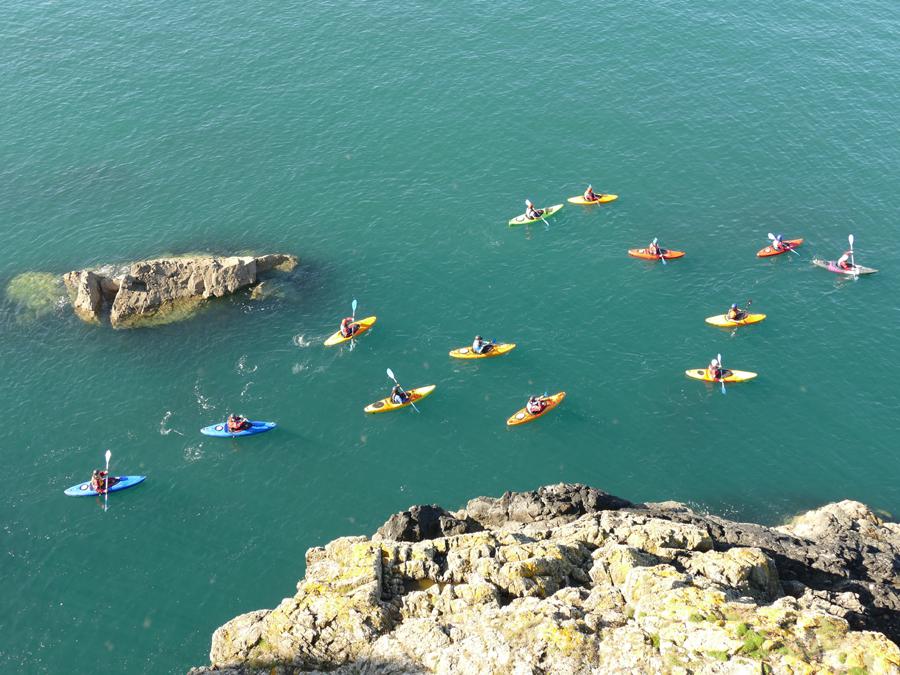
The National Trust own and care for some of the most beautiful and spectacular stretches of the stunning Pembrokeshire coastline, places that we regularly use for our wilderness coasteering and sea kayaking adventures.
We’re proud to work closely with the National Trust to make sure our activities keep these places special.
The partnership is based on a shared ethos; that of the importance of sustainability in all business activities and the wish to bring people to enjoy this pristine coastline whilst protecting the wildlife that depends on it, and the communities that live here.
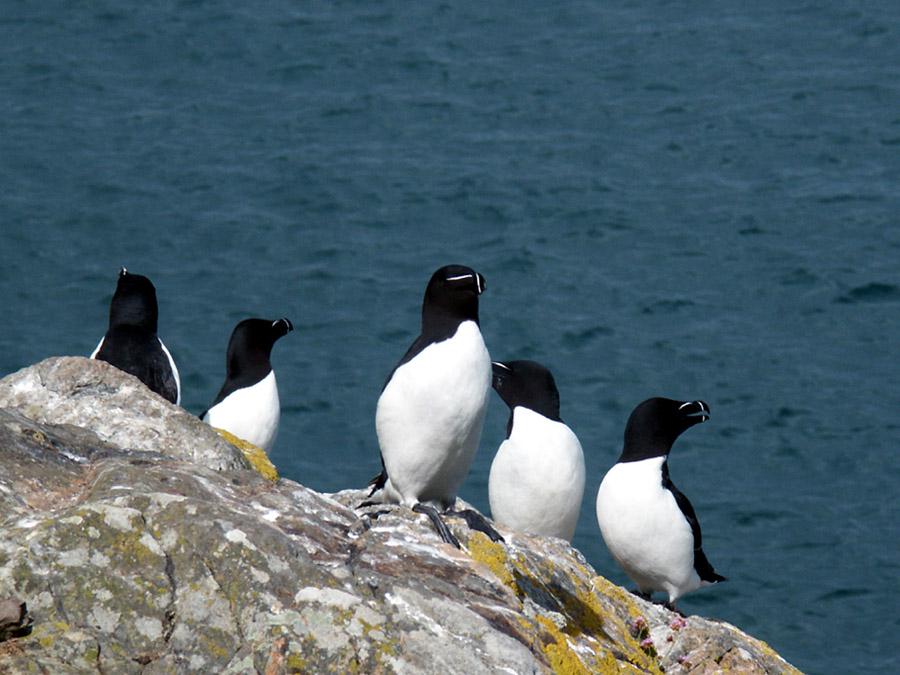
We use the beautiful National Trust owned parts of the coastline for our wilderness coasteering and sea kayaking adventures and have a close working relationship with our local National Trust rangers based in our local village of Mathry to report any coastal disturbances we come across, or rare wildlife sightings and liaise about wildlife matters such any seals or seal pups that we need to avoid during pupping season.
Also as part of our relationship, we provide an adventure half-day for each group of National Trust Working Holiday volunteers, as a reward for their hard work on National Trust land, whether its building stiles or stone walls or maintaining footpaths.
Preseli Venture also help the rangers by our outdoor guides reporting any important wildlife sightings that they encounter whilst out adventuring at National Trust locations, and also by removing rubbish they come across either along the coastline or on the beaches.
Green Key Award – setting the environmental standard for tourism in Wales
Green Key is the largest global eco-label awarded to more than 2,300 tourism providers in 47 countries worldwide
Preseli Venture was one of the first businesses in Wales to be awarded Green Key
Green Key Wales launched in April 2015 and offers a growing collection of the country’s most environmentally sustainable destinations.Green Key aims to educate and encourage the tourism industry from providers to visitors to change unsustainable behaviours, to engage a greater awareness of the environment when making choices, and importantly to become more involved in the protection of their environment.
Green Key is run by the Foundation for Environmental Education (FEE) and managed in Wales by the environmental charity Keep Wales Tidy.
The Pembrokeshire Outdoor Charter Group
The Pembrokeshire Outdoor Charter Group was developed by Pembrokeshire based outdoor adventure companies and environmental education centres, working closely with the National Park and the National Trust, to foster commitments by those involved to an environmental and sustainability code of practice to preserve the unique landscape and wildlife of this beautiful, unspoilt coastline. The Outdoor Charter also works to liaise with local communities regarding use of the harbours and beaches, as well as access and parking, in relation to the provision of outdoor activities.
Sophie Hurst of Preseli Venture was one of the Outdoor Charter founding members and was a key player in its inception in 1993.The aim of the Charter is to develop a sustainable management of outdoor recreation on the Pembrokeshire Coast, and due to the success in Pembrokeshire this model has been rolled out to other areas around the country. Sophie activiely plays a key role in the Outdoor Charter sitting on the ‘steering group committee’ which liaises with the full time staff who run the group.
Study Trip
Reviewed 23 January 2018 ★★★★
We were a group having an environment and ecological themed study trip in Wales. It was great to hear how the owners are dedicated to eco values and the whole business is built up considering the sustainable development.
Nina V, Finland
Sustainable Adventure Tourism
At Preseli venture we have developed a sustainable model for adventure tourism and please do read more about this in our blog https://www.preseliventure.co.uk/blog/sustainable-adventure-tourism/
We are also part of …
Marine Conservation Society (MCS)
Preseli Venture are proud to support the work of MCS, the UK’s leading charity for the protection of our seas, shores and wildlife. We’ve teamed up with the Marine Conservation Society to raise awareness of the threats facing our coastal waters – too much is being taken out, too much thrown in and not enough protected.
As part of the MCS Beachwatch Programme Preseli Venture organise quarterly beach cleans and surveys at our two local beaches of Abermawr and Aberbach, as well as the Beachwatch Big Weekend which is a co-ordinated national beach clean and survey held every year on the third weekend in September. The details and dates of our beach cleans can be found on the MCS beachwatch website.
Please do come down to the beach and help us out, we are there one sunday afternoon each quarter, and do contact us for upcoming beachclean event dates. The kids can get some volunteering hours for their Welsh Bac or DofE awards, and there is no greater sense of satisfaction than walking away leaving the beach spotless without all the debris that gets washed in from the sea.
Green Traveller and Responsible Travel
We’re proud to work closely with Green Traveller and Responsible Travel, featuring our weekends and holidays on their websites, to bring our particular brand and style of sustainable adventures to the wider holidaymaking public. Both organisations promote environmentally friendly holidays in the UK. They’re all about changing the way we travel, about finding ways to get off-grid, and about slowing down our pace of life. We’re proud to be associated with them in their awareness raising, behaviour changing, endeavours.
North Pembrokeshire Transport Forum (NPTF)
Sophie Hurst, Director of Preseli Venture, has until recently sat on the executive committee of the NPTF, a campaigning and pressure group that works towards improving public transport to, from and within north Pembrokeshire. The NPTF recognises the vital role of public transport in the sustainable development of peripheral rural areas.
For 10 years Sophie was very much part of the huge amount of work that went into lobbying for improved train services to Fishguard, an otherwise excellent integrated transport node with bus, taxi, Irish ferry, cycle track and coastal path links. Up until Sepetmber 2011 there were just 2 trains every 24 hours and we now have a service we can be proud of with 5 trains daily, serving the needs of the community, visitors and business. We were also extremely pleased to see the re-opening of the train station serving ‘Fishguard and Goodwick’ in 2012. This provides a convenient station to access trains one mile before Fishguard Harbour ferry terminal and the Stena line ferries to Rosslare in southern Ireland.
You can read about the work of the North Pembrokeshire Transport Forum.
Preseli Venture is a regular user of ‘Fishguard and Goodwick’ station, offering free train station transfers for our guests, using our minibuses, at the start and finish of our weekends and holidays.
WIN AN ADVENTURE FOR 2!
Sign up to our newsletter for your chance to win
Would you like to join us for sustainable adventures?
Just call us on 01348 837709 or contact us and one of our team will be happy to help. We’re looking forward to hearing from you soon.